Search Flights to Tokyo
Tokyo at a Glance
Why Tokyo Should Be Your Next Trip
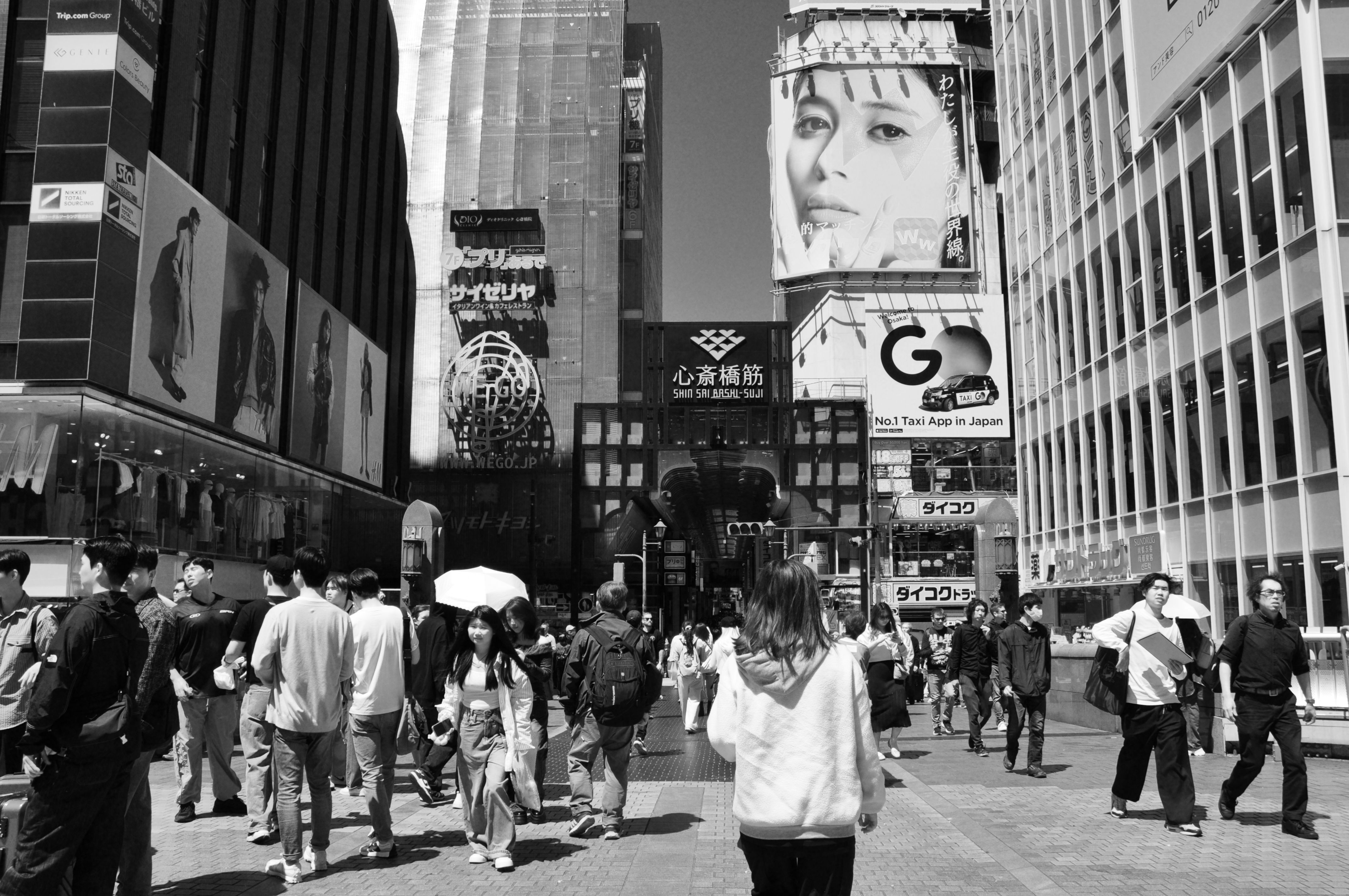
Tokyo is a city of infinite layers -- ancient Shinto shrines and 400-year-old tempura masters hidden beneath neon skyscrapers, Michelin-starred ramen shops next to conveyor belt sushi joints, and quiet residential lanes just steps from Shibuya's famous crossing where 3,000 people cross at once. Japan's capital has the most Michelin-starred restaurants of any city, alongside affordable eats like kaiten-zushi and Kushikatsu. The juxtaposition defines Tokyo: Meiji Jingu's forest beside Harajuku's cosplay fashion, Tsukiji's tuna auctions beside Ginza's luxury boutiques.
Best Time to Visit Tokyo
Late March through April is cherry blossom season (sakura) -- stunning but with higher hotel prices. October through November offers autumn foliage (koyo) and comfortable 15-20 degrees C. Summer (June-August) is hot and humid at 25-32 degrees C with monsoon rains but cheapest flights and summer festivals. Winter (December-February) is cold and dry at 2-10 degrees C with illuminations and winter sales. May and June are the rainiest. November has some of the best weather and most beautiful autumn colors.
Airlines Flying to Tokyo
ANA and Japan Airlines operate from both Narita and Haneda with world-class service. Zipair offers budget transpacific flights from Narita at 40-60% below legacy carriers. Delta, United, and American serve Tokyo from US hubs. Singapore Airlines, Cathay Pacific, Emirates, and Qatar connect via hubs. Peach and Jetstar Japan provide budget domestic and Asian routes from 3,000 JPY one-way domestic. Skymark Airlines provides domestic services from Haneda. Spring Airlines Japan offers budget domestic options.
Airports Serving Tokyo
Narita International Airport (NRT) is 60 km east with the Narita Express reaching Tokyo Station in 60 minutes for 3,070 JPY. The Keisei Skyliner reaches Ueno in 36 minutes for 2,570 JPY. Haneda Airport (HND) is just 14 km from central Tokyo with the Keikyu Line and Tokyo Monorail reaching the city in 20-30 minutes. Haneda is preferred for its proximity. Taxis from Narita cost 20,000+ JPY. The night bus from Narita costs 1,000-3,000 JPY. Haneda has domestic T1/T2 and international T3 terminals.
Budget Tips for Tokyo
The Japan Rail Pass at 50,000 JPY for 7 days pays off for 2-3 Shinkansen trips but is overkill for Tokyo-only -- get a Suica card instead. Eat at ramen shops (800-1,200 JPY), conveyor belt kaiten-zushi (100-350 JPY per plate), and depachika (department store basements) for meals under 1,000 JPY. Many temples including Senso-ji and Meiji Jingu are free. Zipair offers transpacific flights at 40-60% below legacy carriers. The Tokyo Free Kippu at 1,600 JPY covers all JR and Metro within the Yamanote loop. Free observation decks at Tokyo Metropolitan Government Building.
Top Things to Do in Tokyo
- Senso-ji Temple -- Tokyo's oldest Buddhist temple in Asakusa with the Kaminarimon gate, five-story pagoda, and Nakamise shopping street.
- Shibuya Crossing -- The world's busiest pedestrian scramble with 3,000 people crossing at once, best viewed from Starbucks or Mag's Park rooftop.
- Meiji Jingu -- Tokyo's most important Shinto shrine in a 70-hectare forest, dedicated to Emperor Meiji and Empress Shoken.
- Shinjuku Gyoen -- A 58-hectare imperial garden combining Japanese, French, and English landscape styles, famous for cherry blossoms.
- Tsukiji Outer Market -- The former world's largest fish market with 400+ stalls serving fresh sushi and street food from early morning.
Where to Stay in Tokyo
Shinjuku offers the best transport hub with endless dining and hotels from 80-250 EUR per night. Shibuya is youth epicenter with mid-range hotels from 100-300 EUR. Asakusa provides traditional atmosphere with budget hotels from 50-120 EUR. Ginza and Marunouchi are upscale with high-end hotels from 200-500 EUR. Ueno is ideal for budget travelers with affordable hotels from 40-100 EUR. Hostels like Nui and Khaosan Tokyo from 20-40 EUR in Asakusa and Ueno.
What is the best time of year to visit Tokyo?
The best time to visit Tokyo is March-May. During these months, the weather is pleasant and you will avoid peak tourist crowds. Book early for the best rates during these popular travel periods.
Do I need a visa to visit Tokyo, Japan?
Visa requirements for Japan depend on your nationality. Many countries offer visa-free entry for short stays. Check the latest entry requirements on the official immigration website before booking, as policies can change.
How many days should I spend in Tokyo?
A minimum of 4-5 days is recommended for Tokyo to explore the main attractions without rushing. For a more relaxed pace or to take day trips, plan for 7-10 days. Tokyo offers plenty to see and do for longer stays.
Is Tokyo expensive for tourists?
Flights to Tokyo start from $650 round trip. Daily costs vary. Tokyo offers options for every budget. Budget travelers can expect to spend $50-80 per day, while mid-range travelers should budget $120-200 per day including accommodation, food, and activities.