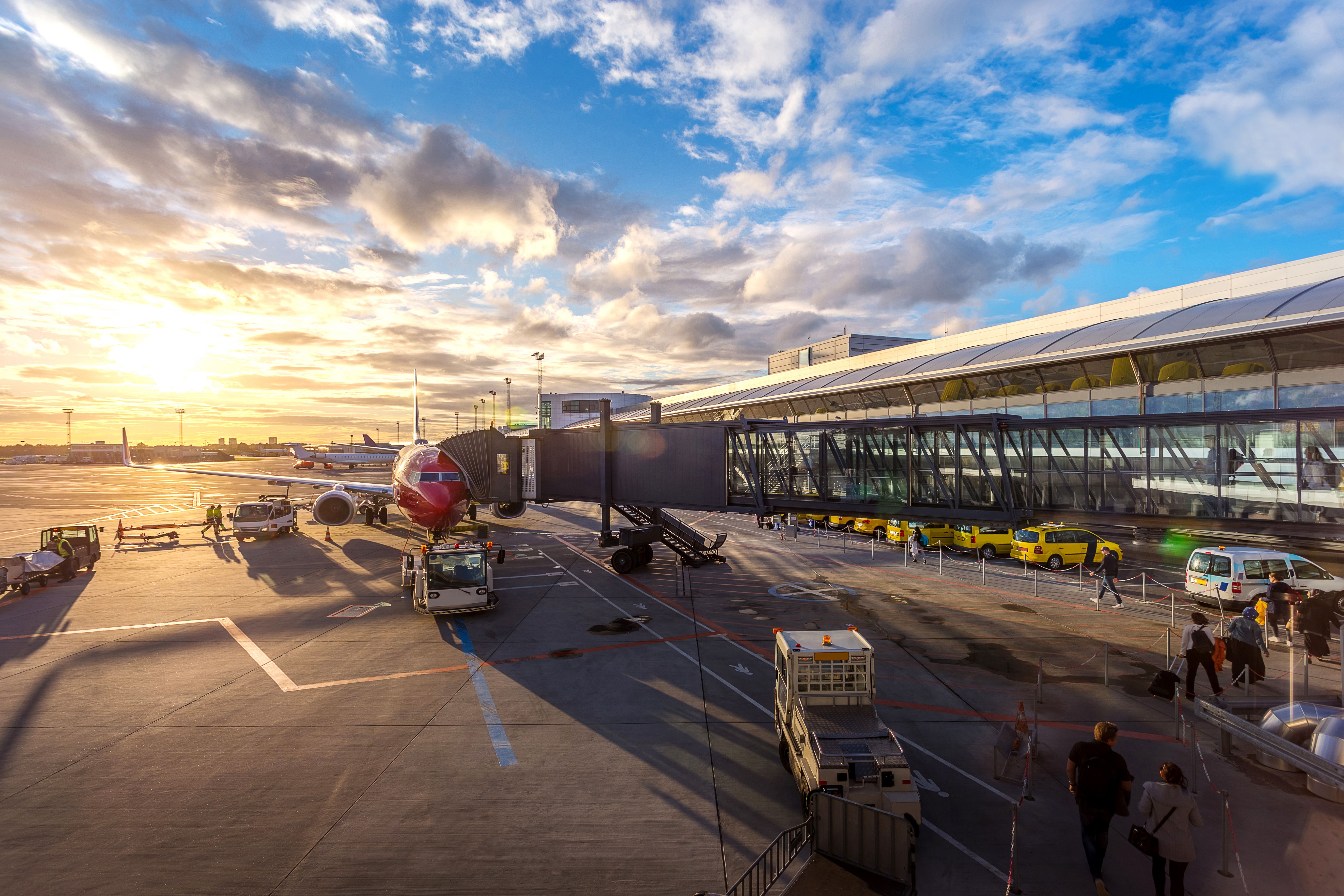
A lie-flat seat with champagne, a multi-course meal, and priority lounge access — for $400 roundtrip. Business class error fares happen several times a year, and the routes where they appear are predictable.
TL;DR
- A business class error fare is an airline pricing mistake that briefly sells premium-cabin seats at economy prices — typically $400–$800 roundtrip on routes normally $3,000–$8,000
- Most appear on transatlantic and Gulf-carrier routes (Turkish, Qatar, Emirates, Etihad)
- Key routes to watch: NYC–IST, LAX–DOH, LHR–SIN, JFK–DXB, SFO–HKG
- Speed decides everything: most vanish within 2–6 hours
- Airlines must honor error fares under DOT (US) and EU regulations
KEY TAKEAWAYS
- Business-class error fares hit premium cabins and can be 70-90% below normal price
- Best routes: transatlantic and Asia-Pacific premium cabins on legacy carriers
- Book the moment you see it - premium error fares vanish in minutes, not hours
- DOT and EU rules often let you keep the fare once it is issued
What Makes a Business Class Error Fare
Error fares in business class happen when airlines accidentally publish economy-class pricing for premium cabin seats. The causes are currency conversion bugs, fuel surcharge omissions, broken GDS integrations, or pricing rule errors. In our experience monitoring these mistakes since 2019, they cluster on carriers with the most complex fare filing.
Routes Most Likely to See Error Fares
Transatlantic routes see the highest frequency, while transpacific mistakes deliver the biggest absolute savings:
| Route | Typical error price RT | Normal price RT |
|---|---|---|
| New York → Istanbul | $400–$600 | ~$3,200 |
| Washington → Doha | $500–$800 | ~$4,500 |
| New York → Dubai | $450–$750 | ~$4,000 |
| Chicago → London | $500–$900 | ~$3,800 |
| San Francisco → Hong Kong | $600–$900 | ~$4,200 |
| Los Angeles → Singapore | $550–$850 | ~$4,600 |
| New York → Tokyo | $600–$1,000 | ~$5,000 |
Airlines Most Likely to Publish Error Fares
| Airline | Frequency | Why |
|---|---|---|
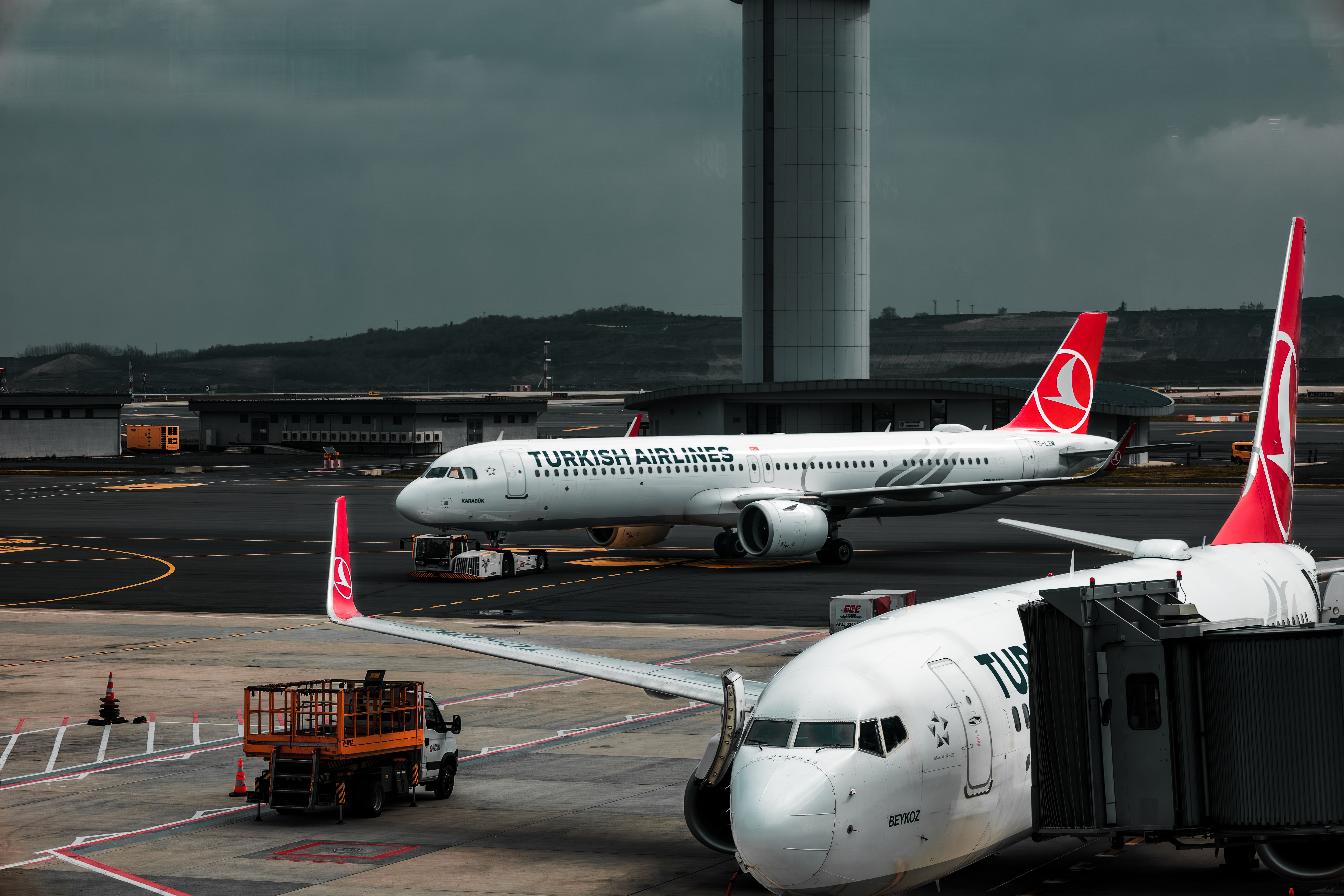
| Turkish Airlines | Most frequent | Fares touch dozens of markets via Istanbul hub |
| Qatar Airways | Common | Complex Doha hub-and-spoke fare filing |
| Emirates | Periodic | Large multi-leg network, frequent surcharge changes |
| Etihad | Occasional | Similar Gulf-carrier complexity |
Based on Flighko’s own redemption tracking, Flighko's monitoring of alert services since 2019 found Gulf carriers and Turkish account for the majority of business-class error fares we tracked. Their fare-filing complexity is exactly why their cabins leak most often.
How Error Fares Happen
A business class error fare is almost never an intentional promotion — it is a pricing-system failure that briefly leaks a premium product at economy prices. The most common triggers are currency conversion mistakes (a fare filed in the wrong currency), fuel surcharge omissions (YQ/YR fields dropped during a schedule change), broken GDS integrations between the airline and booking systems, and incorrectly applied fare rules that let economy buckets attach to business-class inventory. Airlines file hundreds of thousands of fare changes daily, and the automated quality controls catch most mistakes within minutes — but the ones that slip through are spectacular.
The fare lifecycle is predictable: it appears in the GDS, gets picked up by aggregators within 15–60 minutes, spreads across alert services and forums, and is either pulled by the airline or quietly fixed. The airlines that publish the most errors are the ones with the most complex fare filing — Gulf carriers with hub-and-spoke networks and Turkish Airlines, whose fares touch dozens of markets through Istanbul. That complexity is exactly why their business cabins leak so often.
How to Catch Business Class Error Fares
Why do some travelers catch every drop while others never see one? The window is brutal — business class error fares typically last 2–6 hours, and the very best ones are gone in under 60 minutes. Winning is about stacking as many notification layers as possible
💡 SEO Audit Takeaway #2: Premium-cabin drops are the fastest to vanish — often under an hour. Prioritize business and first-class Google Flights alerts on your top 5–10 routes, pair them with two deal feeds, and enable push (not email) so you're notified the moment a glitch hits.
1. Set Up Alert Services
- Secret Flying (Free): The gold standard for curated error fares, posted within minutes of discovery, plus active Telegram and WhatsApp channels.
- The Flight Deal (Free): Premium fare alerts with business class filtering, updated constantly during US business hours.
- Going (Paid — $49/year): Business class error alerts with route filters; Elite tier adds instant push notifications.
- FlyerTalk & Reddit r/errorfares (Free): Community detection that often surfaces fares before paid services because members monitor the GDS directly.
2. Set Your Own Google Flights Alerts
Google Flights price tracking is free and catches mistakes on specific routes you care about. Create alerts for your home airport to the error-fare hotspots — Istanbul, Doha, Dubai, Abu Dhabi, Singapore, Hong Kong — and set the alert threshold to the cheapest possible price. When a fare 70–80% below normal appears, Google sends an email within minutes. This is the best complement to alert services because it covers exactly the routes you would actually fly. Meanwhile, see our complete Google Flights price alerts guide for the exact setup.
3. Monitor Fare Calendars Manually
Meanwhile, error fares cluster on specific days: most appear Sunday night through Wednesday, when airlines re-file schedules and prices after the weekend. Spend 10 minutes each Sunday evening and Monday morning scanning the error-fare forums and your alerts. Have your passport details and payment method saved with your airline accounts so you can complete a booking in under two minutes — the difference between catching a fare and watching it disappear.
How to Book an Error Fare (and Keep It)
✓ Do
- Verify on Google Flights or the airline site first; if 50%+ below normal, book immediately
- Book directly on the airline's website — harder to cancel retroactively
- Screenshot the fare, confirmation email, and published tariff as evidence
- Wait for ticketing (eTicket number) before making any plans
- If cancelled after ticketing, cite DOT/EU rules politely with your screenshots
✗ Don't
- Call the airline before ticketing — it can trigger a manual audit
- Book through an OTA where cancellation is easier
- Change dates or seats afterward; re-pricing wipes out the fare
- Panic-rebook if cancelled; wait 24–48h, the same error sometimes reappears
- Book nonrefundable hotels until the ticket issues
Your Legal Rights
In the US, the DOT requires airlines to honor published fares — the department's consumer protection rules treat an advertised or published fare as a binding contract, and airlines that cancel without cause risk enforcement action. In the EU, Regulation 261/2004 and the principle of contractual good faith provide similar protections, and most European carriers honor mistakes rather than fight them. In practice, Gulf carriers and Turkish Airlines have strong track records of honoring error fares once tickets are issued.
The reality is more nuanced: airlines can cancel within 24 hours of booking under their own tariff rules, and if they do, your recourse is a full refund. The fight over "must honor" typically only happens after ticketing and often ends with a goodwill offer like a credit or rebooking at a discount. The practical strategy is simple: book direct, wait out the 24-hour window, and if the airline cancels after ticketing, push back politely with your screenshots and cite the DOT or EU rules. Most travelers who do this either keep the fare or get a substantial compromise.
Once your ticket is issued, resist the urge to modify anything — changing a date, adding a segment, or calling about seat selection can re-price the ticket and wipe out the error fare. Choose your seats at check-in instead. Book your hotel and ground transport separately with refundable rates in case the airline cancels. Set a calendar reminder for 48 hours before departure to re-verify the flight still exists and your seat assignment is intact. And if the airline does cancel, do not rebook immediately — wait 24–48 hours, because airlines sometimes reissue the same error fare once the dust settles, and the rebooking price may be far below what you panic-buy.
Where to Go Next
Put these tactics to work with our deeper guides:

Google Flights Price Alerts Guide
Read guide →
Error Fares Guide 2026
Read guide →
Flight Hacks 2026
Read guide →

Best Time to Book Flights
Read guide →
Sources & Methodology
Route prices reflect Flighko's tracking of alert-service posts since 2019. Legal framework: US DOT consumer protection rules (14 CFR 399.88) and EU Regulation 261/2004. Verify live fares before booking — error fares are, by nature, unplanned.