Search Flights to Seoul
Seoul at a Glance
Why Seoul Should Be Your Next Trip
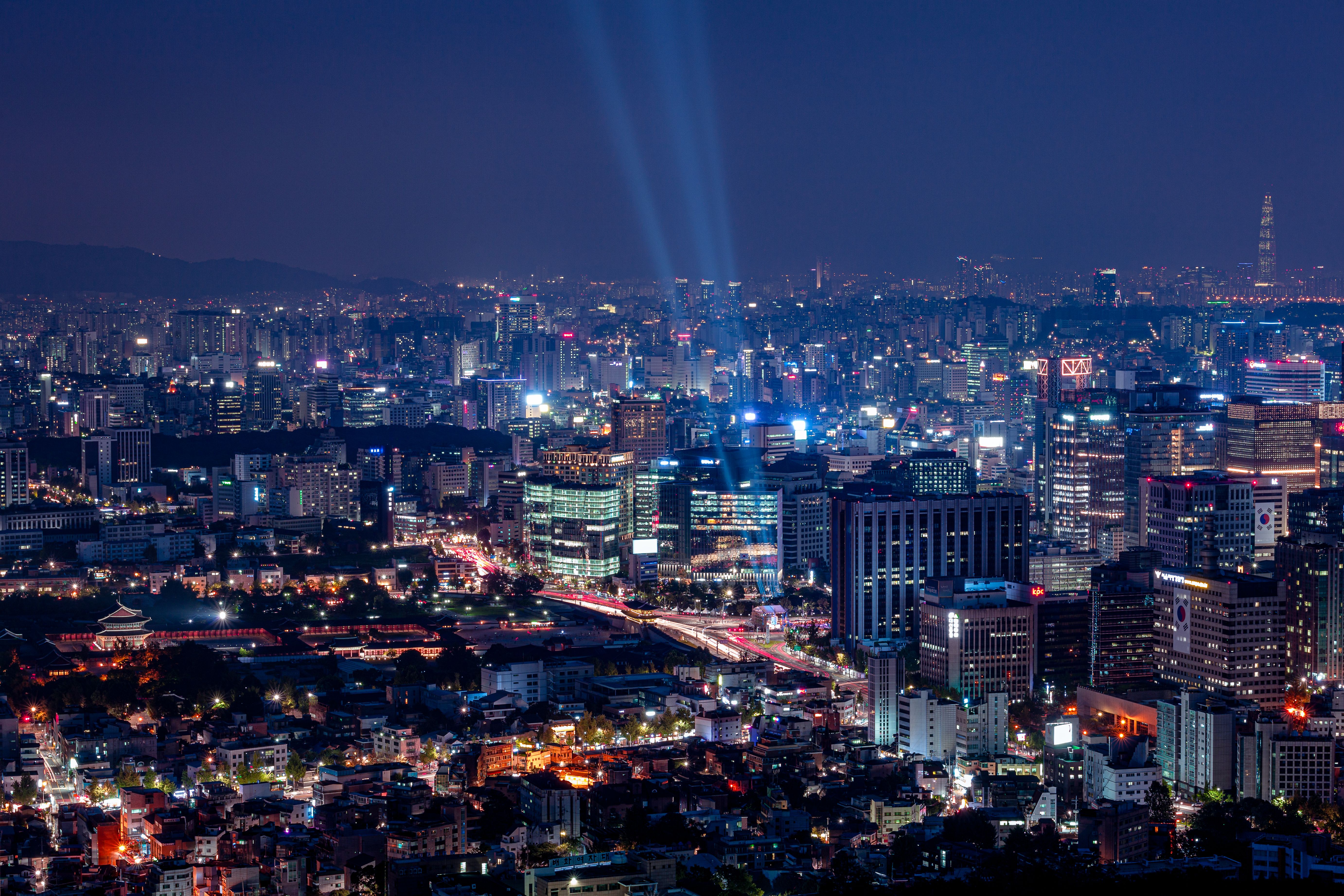
Seoul is where K-pop meets the Joseon Dynasty -- a hyper-connected capital where 600-year-old palaces like Gyeongbokgung and Changdeokgung stand beside K-beauty stores and neon-lit Gangnam. The food scene from sizzling Korean BBQ with unlimited banchan to street topokki at Gwangjang Market makes Seoul worth the trip. The city has the fastest average internet speed in the world and ubiquitous free WiFi. Hongdae pulses with indie music and youth fashion while Insadong's tea houses showcase traditional culture.
Best Time to Visit Seoul
April and May bring cherry blossoms and pleasant 12-20 degrees C. September through November offers autumn foliage at Namsan with cool clear weather -- the best season. Winter (December-February) is cold at -5 to 5 C but cheapest flights and beautiful light festivals. Summer (June-August) is hot and humid at 25-30 C with monsoon rains in July. The rainy season runs late June to late July. Chuseok in September-October is a major holiday.
Airlines Flying to Seoul
Korean Air and Asiana operate from Incheon with global networks to 120+ cities. Jin Air, T'way, Jeju Air, and Air Seoul provide budget Asian routes from 50,000 KRW. Delta and Korean Air share transpacific routes from 12 US cities. American and United serve Incheon from US hubs. Qatar, Turkish, Emirates, and Etihad connect via hubs. Air Premia provides hybrid long-haul service. Air China, China Eastern, and China Southern connect to Chinese cities.
Airports Serving Seoul
Incheon International Airport (ICN) is consistently ranked among the world's best, 50 km west with AREX express train reaching Seoul Station in 43 minutes for 9,500 KRW. The all-stop AREX takes 56 minutes for 4,750 KRW. Gimpo Airport (GMP) handles domestic and Tokyo shuttle just 18 km from the center on Metro Line 5. Taxis from Incheon cost 50,000-80,000 KRW. Airport limousine buses cost 17,000 KRW to major hotel districts.
Budget Tips for Seoul
Seoul is affordable compared to Tokyo -- Korean meals cost 8,000-12,000 KRW (6-9 USD) with unlimited banchan. The Discover Seoul Pass at 39,900 KRW for 24 hours includes 34 attractions and unlimited transit. Palaces have free entry if you wear hanbok (rental 15,000-30,000 KRW). Shop at Dongdaemun night markets. Free guided walking tours from Seoul Tourism Organization. Jjimjilbang (public baths) like Dragon Hill Spa cost 12,000-15,000 KRW for entry and sleeping.
Top Things to Do in Seoul
- Gyeongbokgung Palace -- The largest of Seoul's five grand palaces built 1395, with the Geunjeongjeon throne hall and changing guard ceremony.
- Myeongdong -- Seoul's busiest shopping district with K-beauty stores, street food stalls, and neon-lit nightlife.
- N Seoul Tower -- A 236-meter tower on Namsan mountain with 360-degree skyline views, reachable by cable car or hike.
- Bukchon Hanok Village -- A traditional Korean village with 900+ hanok houses between Gyeongbokgung and Changdeokgung palaces.
- Hongdae -- Seoul's youthful epicenter near Hongik University with indie music clubs, street performances, and unique cafes.
Where to Stay in Seoul
Myeongdong is most convenient for first-time visitors with hotels from 80-200 EUR per night. Hongdae offers youth culture with budget hotels from 40-100 EUR. Gangnam provides upscale business-district hotels from 100-300 EUR. Insadong and Jongno are best for traditional culture near palaces with hotels from 60-150 EUR. Budget guesthouses in Hongdae from 15-30 EUR or jjimjilbangs from 10-15 EUR.
What is the best time of year to visit Seoul?
The best time to visit Seoul is April-June. During these months, the weather is pleasant and you will avoid peak tourist crowds. Book early for the best rates during these popular travel periods.
Do I need a visa to visit Seoul, South Korea?
Visa requirements for South Korea depend on your nationality. Many countries offer visa-free entry for short stays. Check the latest entry requirements on the official immigration website before booking, as policies can change.
How many days should I spend in Seoul?
A minimum of 4-5 days is recommended for Seoul to explore the main attractions without rushing. For a more relaxed pace or to take day trips, plan for 7-10 days. Seoul offers plenty to see and do for longer stays.
Is Seoul expensive for tourists?
Flights to Seoul start from $580 round trip. Daily costs vary. Seoul offers options for every budget. Budget travelers can expect to spend $50-80 per day, while mid-range travelers should budget $120-200 per day including accommodation, food, and activities.