Search Flights to Sydney
Sydney at a Glance
Why Sydney Should Be Your Next Trip
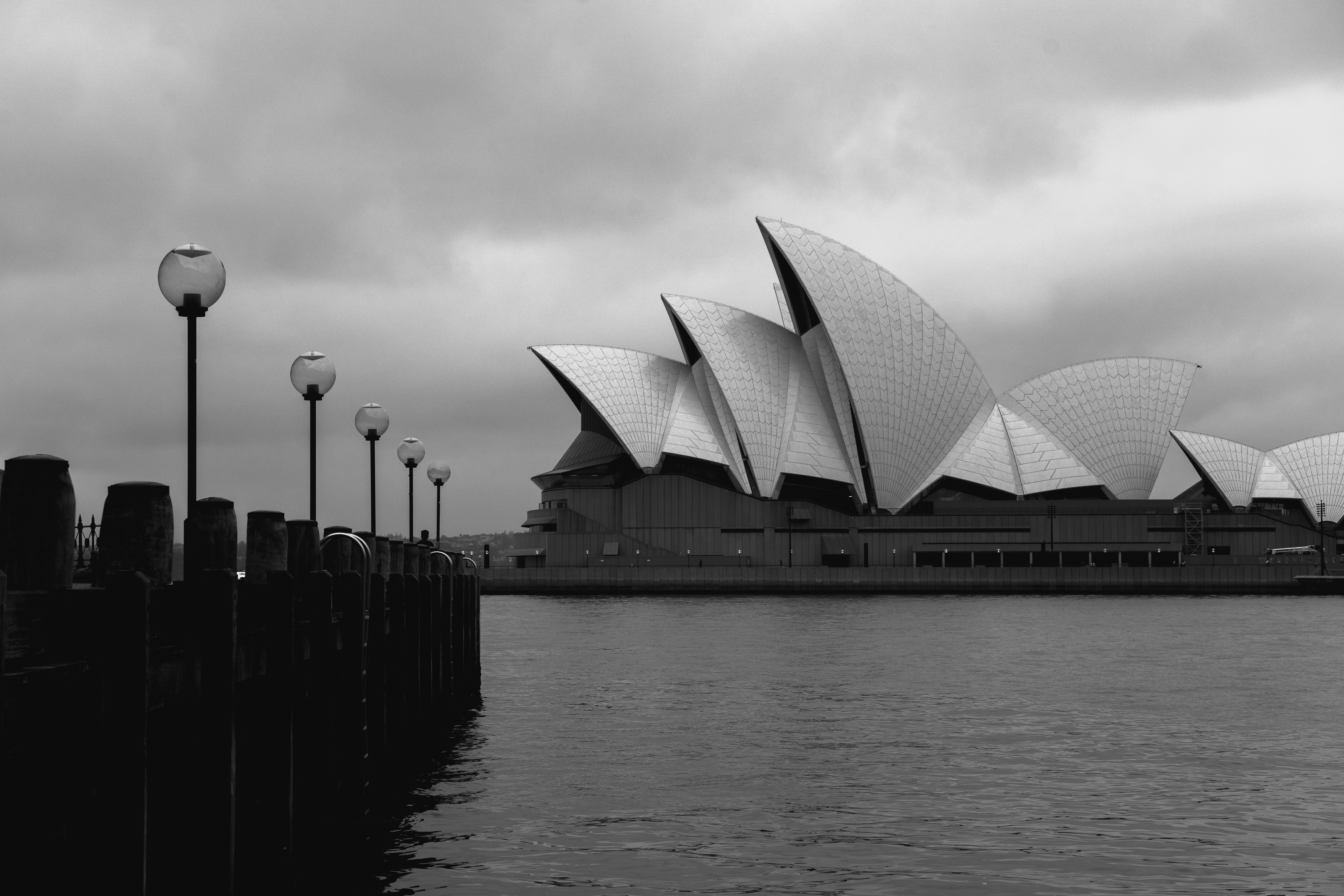
Sydney is Australia's harbor city -- the Opera House's sail-shaped shells and the Harbour Bridge's steel arch define one of the world's most recognizable skylines. Bondi Beach with its coastal walk to Coogee, the Royal Botanic Garden, and The Rocks' cobblestone streets showcase a city built around its stunning natural harbor. The food scene from the Sydney Fish Market to Chinatown reflects Australia's multicultural identity with a focus on fresh seafood and innovative cuisine.
Best Time to Visit Sydney
September through November and March through May offer warm temperatures around 18-25 degrees C and fewer crowds than peak summer. December through February is summer with beach season and the highest prices including the New Year's Eve fireworks. Winter (June-August) is mild at 8-17 degrees C with cheapest flights. Sydney's Vivid light festival in May-June draws big crowds. January is the hottest month and busiest for domestic tourism.
Airlines Flying to Sydney
Qantas operates from Sydney with extensive domestic and international networks to the Americas, Asia, Europe, and Africa. Virgin Australia provides domestic and short-haul international service to New Zealand and Pacific Islands. Jetstar offers budget domestic and Asian routes. Delta, United, and American serve Sydney from US hubs. Emirates, Singapore Airlines, Cathay Pacific, and British Airways connect via their hubs. Air New Zealand connects to New Zealand. China Southern and China Eastern connect to Chinese cities.
Airports Serving Sydney
Sydney Kingsford Smith Airport (SYD) is just 8 km from the city center with the Airport Link train reaching Central Station in 13 minutes for about $19 AUD. The airport has three terminals -- T1 international, T2 domestic, T3 Qantas domestic. Taxis to the city center take 20-30 minutes costing $60 AUD. The train is the fastest and most economical option. There are also frequent bus connections. The airport is one of the oldest continuously operating commercial airports in the world, opened in 1920.
Budget Tips for Sydney
Sydney is expensive but the ferry rides are affordable at $15 AUD and double as harbor tours past the Opera House and Harbour Bridge. The Royal Botanic Garden, Mrs Macquarie's Chair viewpoint, and many beaches are free. The Opal Card caps daily transit fares at $17.80 AUD for adults. Eat at Chinatown or food courts for meals under $15 AUD. The Coogee to Bondi coastal walk is free and spectacular at 6 km. The Sydney Fish Market has affordable fresh seafood. Many museums have free admission days.
Top Things to Do in Sydney
- Sydney Opera House -- The UNESCO World Heritage performing arts center with sail-shaped shells, offering tours and world-class performances on Bennelong Point.
- Sydney Harbour Bridge -- The iconic steel arch bridge with the BridgeClimb experience offering 360-degree views from its 134-meter summit.
- Bondi Beach -- Australia's most famous beach with golden sand, a surf culture, and the 6-km Bondi to Coogee coastal walking trail.
- The Rocks -- The historic birthplace of Sydney with cobblestone streets, a weekend market, 19th-century pubs, and Aboriginal heritage tours.
- Taronga Zoo -- A world-class zoo on the harbor with native Australian animals, the famous giraffe skyline photo, and ferry access from Circular Quay.
Where to Stay in Sydney
The Rocks and Circular Quay offer the most iconic location near the Opera House with hotels from $400 AUD per night. Darling Harbour provides modern hotels with waterfront views from $300 AUD. Surry Hills and Paddington offer trendy neighborhoods with cafes and boutiques with hotels from $250 AUD. Bondi Beach provides coastal stays with surf culture from $300 AUD. Budget travelers check hostels in the CBD, Kings Cross, and Glebe from $50 AUD.
What is the best time of year to visit Sydney?
The best time to visit Sydney is September-November. During these months, the weather is pleasant and you will avoid peak tourist crowds. Book early for the best rates during these popular travel periods.
Do I need a visa to visit Sydney, Australia?
Visa requirements for Australia depend on your nationality. Many countries offer visa-free entry for short stays. Check the latest entry requirements on the official immigration website before booking, as policies can change.
How many days should I spend in Sydney?
A minimum of 4-5 days is recommended for Sydney to explore the main attractions without rushing. For a more relaxed pace or to take day trips, plan for 7-10 days. Sydney offers plenty to see and do for longer stays.
Is Sydney expensive for tourists?
Flights to Sydney start from $800 round trip. Daily costs vary. Sydney offers options for every budget. Budget travelers can expect to spend $50-80 per day, while mid-range travelers should budget $120-200 per day including accommodation, food, and activities.
Popular Flights from Sydney
Available routes from Sydney:
- Sydney to Melbourne - $80 round trip
- Sydney to Singapore - $450 round trip
- Sydney to Hong Kong - $480 round trip
- Sydney to Tokyo - $550 round trip
- Sydney to Dubai - $700 round trip
- Sydney to London - $900 round trip